notes:
- plot with d3 library and python
- worth opening in another tab since it’s pretty big, not best rendered here
- this is a static export (svg), but i make use of this in an interactive html version… not sure how to add it here yet
- tbd! XXX
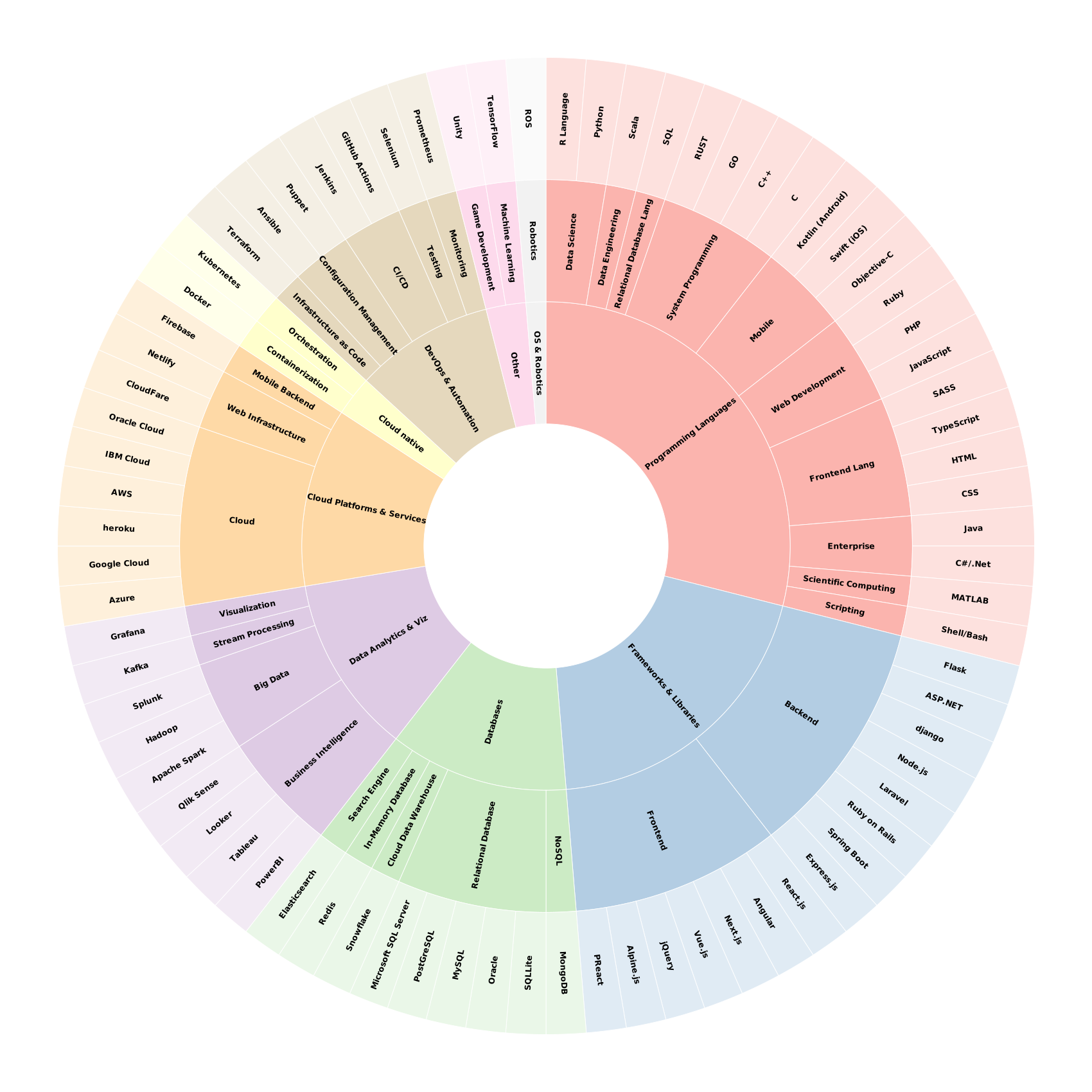
Programming Languages
- ➤ Data Science: Languages commonly used for data analysis, statistics, and scientific computing.
- ➤ Data Engineering: Building and managing systems and pipelines to process and prepare data for analysis and use.
- ➤ Relational Database Lang: Languages designed for querying and managing data in relational databases.
- ➤ System Programming: Languages suited for building operating systems, drivers, and high-performance applications.
- ➤ Mobile: Languages primarily used for developing mobile applications.
- ➤ Web Development: Languages used for building dynamic websites and web applications.
- ➤ Frontend Lang: Languages and preprocessors for building and styling user interfaces in web browsers.
- ➤ Enterprise: Languages widely adopted in large-scale business and enterprise applications.
- ➤ Scientific Computing: Languages tailored for complex mathematical, engineering, or scientific tasks.
- ➤ Scripting: Languages used for automating tasks and writing command-line scripts.
➤ Data Science
- R Language: A statistical programming language widely used for data analysis and visualization.
- Python: A popular, easy-to-learn programming language used for web, data science, and automation.
➤ Data Engineering
- Scala: A language combining object-oriented and functional programming, often used with Apache Spark.
➤ Relational Database Lang
- SQL: A standard language for managing and querying relational databases.
➤ System Programming
- RUST: A modern, high-performance systems programming language focused on safety and concurrency.
- GO: A statically typed programming language by Google, known for simplicity and concurrency.
- C++: A high-performance, general-purpose programming language with object-oriented features.
- C: A foundational, procedural programming language used for system and application software.
➤ Mobile
- Kotlin (Android): A modern programming language for Android app development, interoperable with Java.
- Swift (iOS): Apple’s modern programming language for iOS, macOS, and other Apple platforms.
- Objective-C: A legacy programming language for iOS and macOS development.
➤ Web Development
- Ruby: A dynamic, object-oriented programming language often used for web development.
- PHP: A widely-used server-side scripting language for web development.
- JavaScript: The core scripting language for dynamic content on web pages.
➤ Frontend Lang
- SASS: A CSS preprocessor that adds variables, nesting, and more to standard CSS.
- TypeScript: A typed superset of JavaScript that compiles to plain JavaScript.
- HTML: The standard markup language for creating web pages and web applications.
- CSS: The language used to style and layout web pages.
➤ Enterprise
- Java: A versatile, object-oriented programming language used in enterprise, web, and Android apps.
- C#/.Net: Microsoft’s modern, object-oriented programming language and framework for Windows and web.
➤ Scientific Computing
- MATLAB: A high-level language and environment for numerical computing and visualization.
➤ Scripting
- Shell/Bash: A command-line scripting language for Unix-based systems, essential for automation and DevOps.
Frameworks & Libraries
Reusable code libraries and frameworks for building applications efficiently.
- ➤ Backend: Frameworks and libraries for server-side application development.
- ➤ Frontend: Frameworks and libraries for building interactive user interfaces and single-page applications.
➤ Backend
- Flask: A lightweight Python web framework for building web applications and APIs.
- ASP.NET: A Microsoft framework for building web applications and services with .NET.
- django: A high-level Python web framework that encourages rapid development and clean design.
- Node.js: A JavaScript runtime for building scalable server-side and networking applications.
- Laravel: A PHP web application framework with expressive, elegant syntax.
- Ruby on Rails: A full-stack web application framework written in Ruby.
- Spring Boot: A framework for building production-ready Java applications quickly and easily.
- Express.js: A minimal and flexible Node.js web application framework for APIs and web apps.
➤ Frontend
- React.js: A JavaScript library for building interactive user interfaces, mainly for web apps.
- Angular: A TypeScript-based front-end framework for building dynamic web applications.
- Next.js: A React-based framework for building server-side rendered and static web applications.
- Vue.js: A progressive JavaScript framework for building user interfaces and single-page applications.
- jQuery: A fast, small JavaScript library that simplifies HTML document traversal and manipulation.
- Alpine.js: A minimal JavaScript framework for composing behavior directly in your HTML.
- PReact: A fast, lightweight alternative to React for building web interfaces.
Databases
Systems for storing, managing, and retrieving structured or unstructured data.
- ➤ NoSQL: Databases designed for flexible, scalable storage of unstructured or semi-structured data.
- ➤ Relational Database: Databases that store data in structured tables with defined relationships.
- ➤ Cloud Data Warehouse: Cloud-based platforms optimized for large-scale analytics and data storage.
- ➤ In-Memory Database: Databases that store data in RAM for ultra-fast access.
- ➤ Search Engine: Databases optimized for full-text search and analytics.
➤ NoSQL
- MongoDB: A popular NoSQL document-oriented database for scalable applications.
➤ Relational Database
- SQLite: A lightweight, file-based relational database engine often used in embedded applications.
- Oracle: A powerful, enterprise-grade relational database management system.
- MySQL: A widely-used open-source relational database management system.
- PostGreSQL: An advanced open-source relational database known for extensibility and standards compliance.
- Microsoft SQL Server: A widely used enterprise-grade relational database management system from Microsoft.
➤ Cloud Data Warehouse
- Snowflake: A cloud-native data warehouse platform for scalable analytics and data sharing.
- Google BigQuery
- Amazon RedShift
- Not Warehouse, but more like Data Lake
- Amazon S3
- Google Cloud Storage
- Azure Data Lake Storage
- And Data Lakehouse:
- Databricks
➤ In-Memory Database
- Redis: An open-source, in-memory key-value store used for caching and real-time analytics.
➤ Search Engine
- Elasticsearch: A distributed, RESTful search and analytics engine for all types of data.
Data Analytics & Viz
Software for analyzing, processing, and visualizing data.
- ➤ Business Intelligence: Tools for transforming data into actionable insights and reports.
- ➤ Big Data: Platforms for processing and analyzing massive datasets.
- ➤ Stream Processing: Tools for processing real-time data streams.
- ➤ Visualization: Tools for creating interactive charts, dashboards, and visual data representations.
➤ Business Intelligence
- PowerBI: A Microsoft tool for interactive data visualization and business intelligence reporting.
- Tableau: A leading data visualization and business intelligence platform.
- Looker: A modern business intelligence and analytics platform from Google Cloud.
- Qlik Sense: A self-service data analytics and visualization tool.
- Streamlit: Open-source python framework to build interactive web apps for DS and ML.
➤ Big Data
- Apache Spark: An open-source analytics engine for large-scale data processing and machine learning.
- Hadoop: An open-source framework for distributed storage and processing of big data.
- Splunk: A platform for searching, monitoring, and analyzing machine-generated big data.
➤ Stream Processing
- Kafka: A distributed streaming platform for building real-time data pipelines and applications.
➤ Visualization
- Grafana: An open-source platform for monitoring and observability with rich dashboarding capabilities.
Cloud Platforms & Services
Platforms offering cloud computing, storage, and application hosting services.
- ➤ Cloud: General-purpose cloud computing platforms for hosting and scaling applications.
- ➤ Web Infrastructure: Cloud services focused on deployment, automation, and infrastructure management.
- ➤ Mobile Backend: Cloud services for building and managing mobile app backends.
➤ Cloud
- Azure: Microsoft’s cloud computing platform offering a wide range of services.
- Google Cloud: Google’s suite of cloud computing services and infrastructure.
- heroku: A cloud platform that enables easy deployment and scaling of web applications.
- AWS: Amazon Web Services, the leading global cloud computing platform with a vast range of services.
- IBM Cloud: IBM’s cloud computing platform for enterprise and hybrid cloud solutions.
- Oracle Cloud: Oracle’s cloud platform, optimized for Oracle workloads and enterprise applications.
➤ Web Infrastructure
- CloudFare: A web infrastructure and security company offering CDN, DNS, and DDoS protection services.
- Netlify: A cloud platform for automating deployment and hosting of modern web projects.
➤ Mobile Backend
- Firebase: A platform by Google for building and scaling mobile and web applications.
Cloud native
Cloud native is building and running scalable apps optimized for the cloud using containers and microservices.
- ➤ Containerization: Technologies for packaging applications and their dependencies into isolated containers.
- ➤ Orchestration: Tools for automating deployment, scaling, and management of containerized applications.
➤ Containerization
- Docker: A platform for developing, shipping, and running applications in containers.
➤ Orchestration
- Kubernetes: An open-source system for automating deployment, scaling, and management of containerized apps.
DevOps & Automation
Tools for automating software development, deployment, and infrastructure management.
- ➤ Infrastructure as Code: Tools for managing infrastructure using code and automation.
- ➤ Configuration Management: Tools for automating the setup and maintenance of software environments.
- ➤ CI/CD: Tools for continuous integration and continuous delivery of software.
- ➤ Testing: Tools for automating software and web application testing.
- ➤ Monitoring: Tools for tracking the health and performance of applications and infrastructure.
➤ Infrastructure as Code
- Terraform: An open-source tool for provisioning and managing cloud infrastructure as code.
➤ Configuration Management
- Ansible: An automation tool for configuration management, application deployment, and task automation.
- Puppet: A tool for automating the management and configuration of infrastructure.
➤ CI/CD
- Jenkins: The most popular open-source automation server for continuous integration and delivery.
- GitHub Actions: A CI/CD platform integrated with GitHub for automating software workflows.
➤ Testing
- Selenium: A leading open-source tool for automating web browser testing.
➤ Monitoring
- Prometheus: An open-source system for monitoring and alerting, designed for reliability and scalability.
Other
Technologies that don’t fit traditional categories but are widely used in the industry.
- ➤ Game Development: Platforms and tools for building interactive games and simulations.
- ➤ Machine Learning: Frameworks and libraries for building and deploying machine learning models.
➤ Game Development
- Unity: A leading platform for creating and operating interactive, real-time 3D content.
➤ Machine Learning
- TensorFlow: An open-source machine learning framework developed by Google.
OS & Robotics
Platforms and frameworks for building operating systems and robotics applications.
- ➤ Robotics: Frameworks and tools for developing robotic systems and automation.
➤ Robotics
- ROS: An open-source framework for developing robot software and managing robotic systems.